

Quick Answer: During perimenopause, estrogen can rise and fall before it declines with menopause. Signs linked to that change can include hot flashes and night sweats, along with trouble sleeping and vaginal dryness. But these symptoms don’t automatically mean low estrogen, since other conditions can cause them too, so an evaluation is the right next step.
In this article
- What’s the Difference Between Perimenopause and Menopause?
- What Are the Common Signs of Low Estrogen in Women?
- Which Signs Are Easy to Miss?
- Could Something Else Be Causing Your Symptoms?
- When Should You Seek Care Promptly?
- How Does a Hormone Evaluation Work?
- Frequently Asked Questions
- Book a Consultation in Encino
If you’ve been searching for signs of low estrogen in women, you’ve probably found long checklists that make almost every restless night sound like a hormone problem. The real picture is less tidy, and a lot more individual.
Estrogen doesn’t suddenly disappear on your 50th birthday. During perimenopause, the years before menopause, hormone levels can fluctuate before they eventually decline. The changes you notice may come on gradually, or seem to shift from one month to the next.
Some women experience very obvious symptoms. Others notice subtle changes and don’t immediately connect them to hormones. Neither experience tells you, on its own, what’s going on inside your body.
At Omnia, we hear some version of this question from women across Encino and the San Fernando Valley, and our answer starts the same way each time: we don’t treat a symptom based on an Instagram checklist. We evaluate the whole person.
Below, we walk through the signs that can be linked to declining estrogen and when a symptom calls for prompt care.
What’s the Difference Between Perimenopause and Menopause?
Perimenopause is a transition. Menopause is the point that transition leads to. According to the National Institute on Aging (NIA), menopause is confirmed once you’ve gone 12 months without a period, and the average age of menopause in the United States is 52.
During perimenopause, the Endocrine Society explains, estrogen levels can fluctuate and then drop. That detail matters more than it sounds. Because levels can move up and down, symptoms may not follow a neat, predictable pattern, and how you feel one month may not match the next.
An average is only an average. Some women reach menopause earlier than 52 and some later, which is one reason your age can’t tell you on its own where you are in the transition.
What Are the Common Signs of Low Estrogen in Women?
Common signs linked to declining estrogen can include hot flashes and night sweats, trouble sleeping, and vaginal, sexual, or urinary changes. NIA and MedlinePlus describe a similar set of symptoms associated with the menopausal transition, though having one doesn’t automatically mean you have low estrogen. They can include:
- Hot flashes
- Night sweats
- Difficulty sleeping
- Vaginal dryness
- Discomfort or pain during sex
- Changes in sexual function
- Urinary symptoms
The vaginal and sexual changes, along with urinary symptoms, have a clinical name: genitourinary syndrome of menopause, often shortened to GSM. These can feel awkward to bring up, but they’re a recognized part of the transition and worth mentioning at an appointment.
Some women also describe a shift in their overall sense of well-being that’s harder to put into words.
Here’s the part the checklists tend to leave out. Having one or more of these symptoms doesn’t automatically mean you have low estrogen, and it doesn’t automatically mean you need estrogen therapy.
Which Signs Are Easy to Miss?
The signs that are easiest to miss tend to be the quieter ones, such as sleep changes, night sweats, urinary changes, and discomfort during sex or a change in sexual function. Hot flashes get most of the attention, so these other changes can be easy to brush off or explain away:
- Sleep that isn’t what it used to be, which is easy to blame on stress or a busy schedule
- Night sweats that seem like a bedroom that’s simply too warm
- Urinary changes that feel like a separate bladder issue
- Discomfort during sex, or a change in sexual function, that feels too personal to mention
None of these proves a hormone change. They’re worth raising together, because a provider looks at the full pattern of what you’re experiencing, not a single symptom in isolation.
It can help to jot down what you’re noticing and when, along with the dates of your recent periods, before your visit.
Could Something Else Be Causing Your Symptoms?
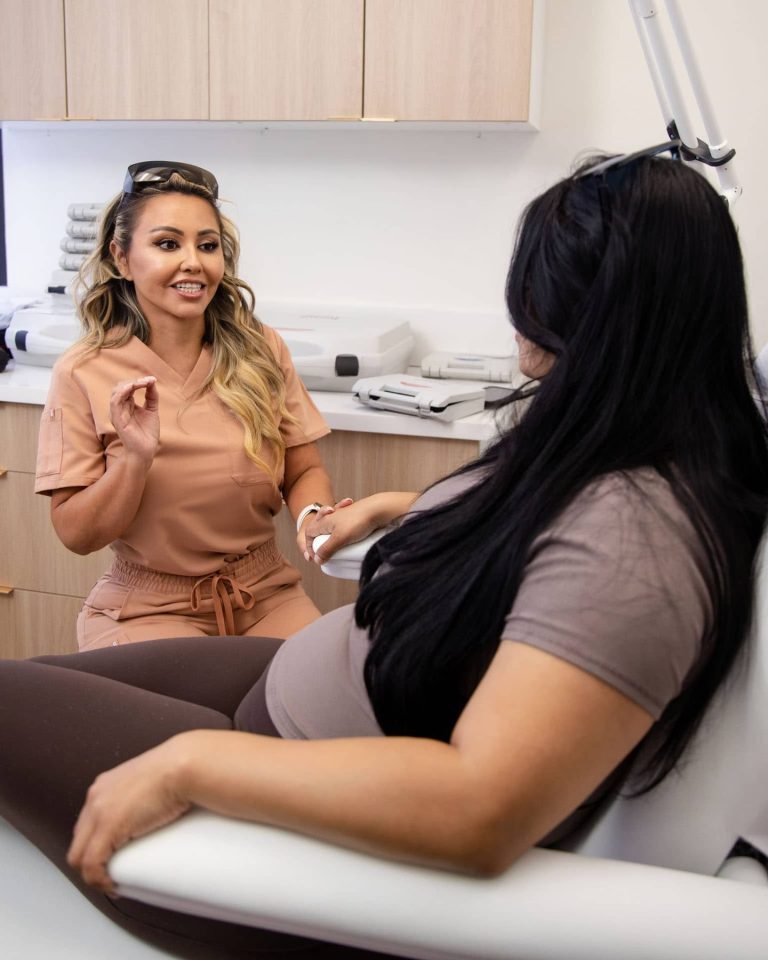
Yes, and that’s a big reason we don’t hand out conclusions based on a symptom list. Thyroid problems and other medical conditions can cause symptoms that look a lot like the menopausal transition. That’s why a thoughtful evaluation matters more than any single sign.
At Omnia, our goal is to understand what has changed and what may be contributing to it. From there, we discuss whether hormone therapy or another treatment approach is appropriate for you.
Sometimes that conversation leads to hormone therapy. Sometimes it points somewhere else entirely. Either way, the aim is a clearer picture than any online quiz can offer. If you’re curious how hormone therapy and weight relate, our post on whether you lose weight after starting HRT looks at that question.
When Should You Seek Care Promptly?
Contact a licensed medical provider promptly about any bleeding after menopause, and get emergency care for severe or sudden symptoms such as chest pain or trouble breathing. Many changes during this stage can be discussed at a scheduled appointment, but a few shouldn’t wait:
- Bleeding after menopause. If you’ve gone 12 months without a period and then have any bleeding, contact a licensed medical provider promptly to have it evaluated.
- Severe or sudden symptoms. Chest pain or trouble breathing, or any severe symptom that comes on suddenly, needs emergency care. Call 911 or go to the nearest emergency room, and don’t assume it’s a hot flash.
It’s also reasonable to book a visit when symptoms are disrupting your sleep or your daily life, even if they feel manageable. If weight is also on your mind, our guide to medical weight management covers that topic.
How Does a Hormone Evaluation Work?
According to NIA, a doctor may ask about your age, symptoms, and family history, and in some cases, such as when periods stop at an early age, may suggest a blood test. Because estrogen can fluctuate during perimenopause, a single test result may not give a clear answer on its own.
At Omnia, an evaluation with our licensed medical provider looks at you as an individual. It typically covers:
- Your symptoms, including when they started and how they’ve changed
- Your period history
- Your personal and family medical history
- Your current medications and risk factors, plus any testing your provider decides is appropriate
Then we talk through what we found and whether hormone therapy or a different approach fits your health and your goals. We don’t want women walking into their 50s thinking these changes are just something to live with, and we don’t want anyone starting a treatment they don’t need, either. Men with similar questions can read our guide to testosterone therapy for men.
Frequently Asked Questions
Can a blood test confirm low estrogen?
Sometimes, but it isn’t always needed. NIA notes that a doctor may start with questions about your symptoms and history, and may suggest a blood test in some cases, such as when periods stop at an early age. Your provider can explain whether testing would add useful information for you.
At what age does perimenopause start?
It varies. According to NIA, the menopausal transition usually begins between ages 45 and 55, and the average age of menopause in the United States is 52. Because timing differs from woman to woman, your symptoms and period history are part of the picture too.
Can you have symptoms while your periods are still regular?
It’s possible. Because estrogen can fluctuate during perimenopause before it declines, symptoms may not line up neatly with changes in your cycle. If you’re noticing symptoms, it’s reasonable to raise them even if your periods seem unchanged.
Do these symptoms mean I need hormone therapy?
Not necessarily. Symptoms don’t automatically mean low estrogen, and other conditions, such as thyroid problems, can cause similar changes. Whether hormone therapy or another approach is appropriate depends on an individual evaluation.
Book a Consultation in Encino
If you’re noticing changes and want to understand what’s behind them, schedule a consultation to discuss your symptoms and goals. Omnia Wellness Center is located at 16430 Ventura Blvd, Suite 207, in Encino. Call (818) 386-8511 or text (818) 853-1351 to request an appointment.
This article is for general informational purposes and is not medical advice. It does not replace an evaluation by a qualified licensed medical provider. If you have any bleeding after menopause, contact a licensed medical provider promptly. If you have severe or sudden symptoms such as chest pain or trouble breathing, call 911 or go to the nearest emergency room.


